Treasury Officials Model Potential Machine Games Duty Increases for October Budget
Written by Katja Krause · Sep 12, 2026

Treasury Officials Model Potential Machine Games Duty Increases for October Budget
Chancellor John Healey has directed Treasury officials to examine options for raising Machine Games Duty as part of revenue measures ahead of the October 28 budget, and reports indicate that modeling exercises are already underway amid constrained public finances plus existing spending commitments. This tax applies directly to slot machines, electronic roulette terminals, fixed odds betting terminals, and fruit machines, covering a segment that generates significant activity across high street betting shops and other venues.
Scope of the Review and Key Categories
Officials are assessing rate adjustments across multiple machine categories, with particular attention to Category B machines that currently face a 20 percent duty rate, and earlier external proposals have suggested doubling that rate to 40 percent as one possible pathway. The review sits within a wider effort to identify additional revenue streams while public spending pressures remain elevated, and the October 28 deadline creates a fixed timeline for decisions.
Category B machines include many of the terminals found in betting shops, whereas Category C and D machines cover lower-stake devices often located in pubs, arcades, and family entertainment centers. Any rate change would therefore touch different segments of the gaming machine market at varying intensities, and Treasury analysis is examining revenue yields alongside behavioral responses from operators and players.
Industry Response and Betting and Gaming Council Position
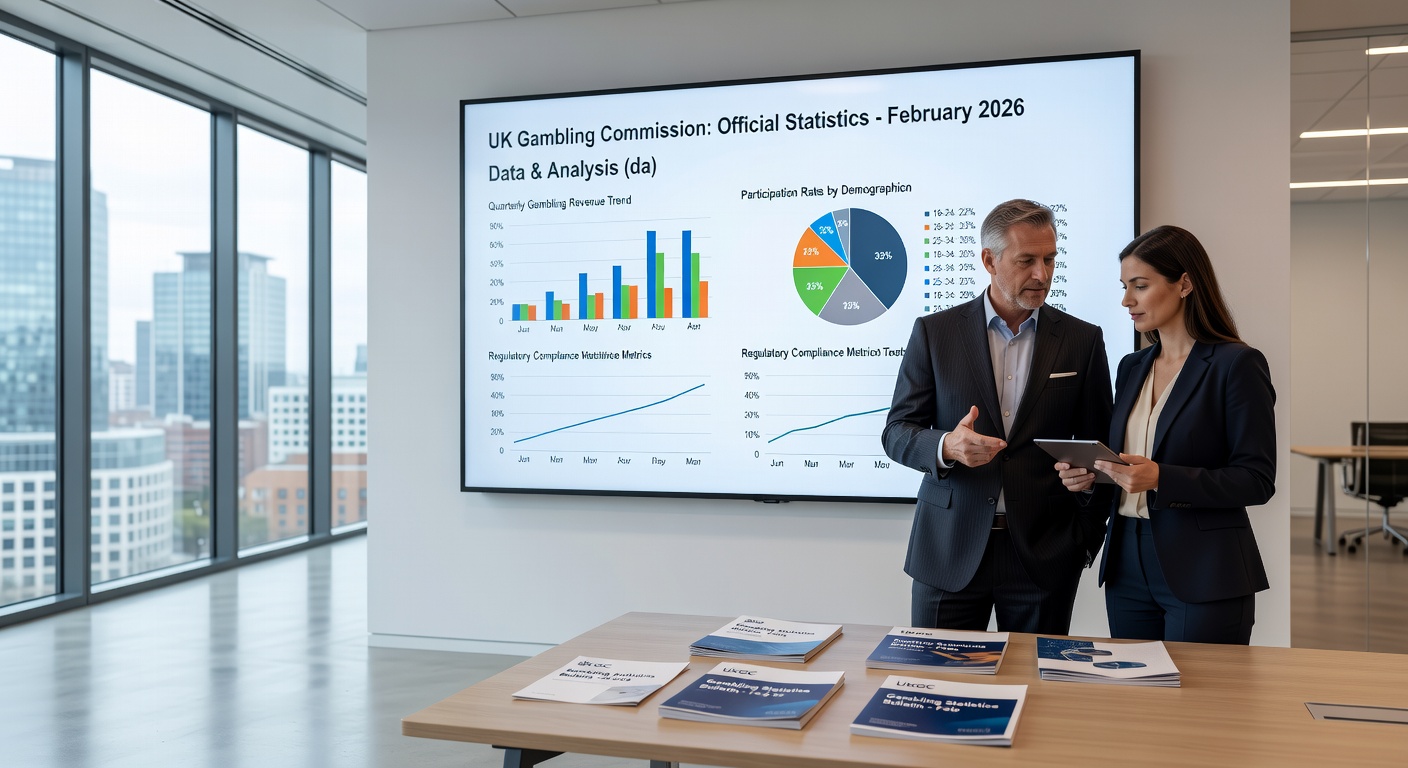
The Betting and Gaming Council has stated its opposition to any increase in Machine Games Duty, citing risks of accelerated betting shop closures, reduced employment in the sector, and additional strain on already challenged high street locations. Council representatives argue that higher duty rates could compound existing cost pressures on operators, leading to fewer premises and fewer roles in communities where these venues remain active.
Operators have previously highlighted that duty payments represent a substantial portion of their cost base, and further rises could accelerate consolidation trends already visible in the market. The Council has pointed to recent years of shop closures as evidence that additional tax burdens may produce measurable reductions in physical presence on high streets rather than simply increasing government receipts.
Context of Earlier Proposals and Revenue Considerations
The Social Market Foundation has previously advanced suggestions for duty increases on gaming machines, including the specific recommendation to move Category B rates from 20 percent to 40 percent, and those ideas appear among the reference points now being modeled by Treasury teams. Such proposals typically frame higher duties as mechanisms for both revenue generation and harm reduction, although the current Treasury work focuses on fiscal modeling rather than policy endorsement.
Public finances face competing demands from departmental budgets and existing commitments, which explains why officials are exploring multiple revenue levers simultaneously. Machine Games Duty offers a relatively contained tax base that can be adjusted through rate changes without requiring new legislation structures, and the September 2026 timing of these discussions places the exercise several weeks before the formal budget announcement.
Analysts note that duty receipts from gaming machines have fluctuated with overall sector activity, and any rate adjustment would interact with player behavior, operator pricing strategies, and venue viability. Treasury modeling therefore incorporates sensitivity analysis around different rate scenarios to estimate net revenue effects after accounting for potential market contraction.
Timeline and Next Steps
Work on the budget continues through the coming weeks, with the October 28 date serving as the point at which any duty changes would be formally presented. Officials are balancing revenue targets against the risk that sharp increases could reduce the taxable base through reduced machine numbers or lower player volumes, and the final package will reflect choices made across several tax and spending areas.
Stakeholders on both sides continue to provide data and arguments to inform the process, and the Betting and Gaming Council has indicated it will continue to engage with Treasury teams on the potential consequences for employment and high street vitality. The outcome will depend on how ministers weigh immediate revenue needs against longer-term sector sustainability.
Conclusion
The current modeling exercise represents one element within a broader budget preparation process that must reconcile revenue requirements with economic and social considerations. Decisions on Machine Games Duty rates will form part of the October 28 announcements, and the effects on operators, venues, and public finances will become clearer once the specific measures are set out.